Picture this: It's 6 p.m., you're dragging yourself home from a screen-stuffed day, emails still buzzing in your head. Your apartment feels like a cage after hours at the desk. Last week, I started slipping in a quick walk right after kicking off my shoes—no gym clothes, just sneakers and a podcast. That 20 minutes flipped my mood, cleared the fog, and even helped me sleep better despite late dinners. Walking isn't some epic workout; it's the low-effort reset that fits city chaos like a glove.
I've been there, juggling freelance gigs from a tiny Brooklyn studio. Mornings blurred into afternoons of Zoom calls, leaving me knotted up and drained. One simple loop around the block became my anchor. Now, it's non-negotiable. This routine blueprint is for you if you're desk-bound or navigating crowded commutes. We'll build it step-by-step, scalable to your vibe.
Why Sneak Walks into Your City Grind
City life hits hard—endless screens fry your focus, desk knots creep in by noon, and takeout dinners leave you sluggish. A daily walk counters that without drama. It spikes endorphins for that natural mood lift, and studies show just 20 minutes daily cuts stress while boosting steps to 7,000 on average.
Think about your commute: instead of scrolling on the subway, tack on a block loop. It beats fatigue from staring at code or spreadsheets. For late-night hustlers, it aids digestion post-pizza. Pair it with a Desk Stretching Routine for Office Workers to loosen up before you hit the pavement. Energy rebounds, and those small apartment slumps fade.
No fancy gear needed. It's practical for rain-slicked streets or summer heat. Your body thanks you with better sleep and sharper days. Ready to blueprint it?
Build Your 20-Minute Core Walk Blueprint
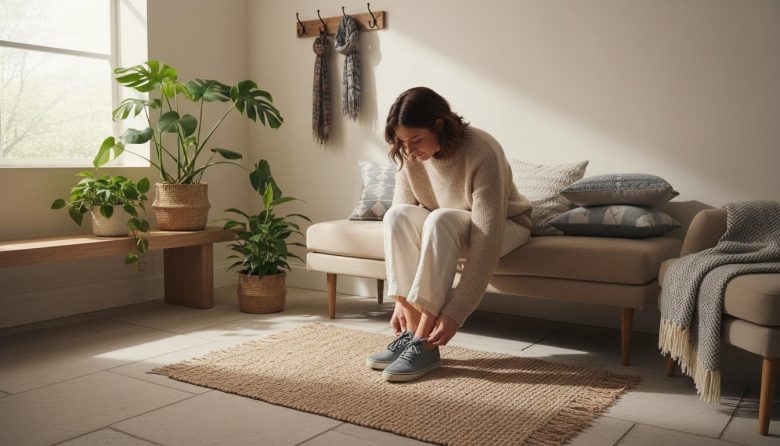
Start simple: lace up comfy sneakers, grab water if it's hot, phone for tunes or calls. Head out post-coffee or lunch—whenever your window opens. Urban paths shine here: neighborhood parks, quiet blocks, or riverfronts if you're lucky.
Warm-up (2 minutes): Swing arms loose, roll shoulders, march in place on your stoop. This wakes your legs without strain. Then, main pace (15 minutes): Steady rhythm, not sprinting—chat-test pace where you can talk but feel the burn. Aim eyes forward, breathe deep through nose.
Cool-down (3 minutes): Slow to a stroll, stretch calves against a lamppost, deep breaths. Loop back home. Track mentally or note it. This builds habit without overwhelm. Now, scale it to your level.
Pick Your Walk Level
| Level | Duration | Distance | Best For |
|---|---|---|---|
| Beginner | 15 min | 1 mile | Desk workers new to movement |
| Intermediate | 20 min | 1.5 miles | Commute breakers |
| Advanced | 30 min | 2+ miles | Power through small apartment energy slumps |
Beginners, stick to flat sidewalks near home. Intermediates, weave in hills or park trails for variety. Advanced folks, add intervals: 1 minute brisk, 2 easy. Tweak based on your week—listen to your body, no forcing it. This table keeps it real for your schedule.
Quick Tips to Hit the Pavement Daily
- Queue a playlist or podcast before bed—hit play and go, no decision fatigue.
- Loop your block or nearest park; familiarity kills excuses.
- Post-coffee cue: Sip, then step out—stacks easy with your brew ritual.
- Buddy up via text: "Walking at 7?" for accountability.
- Phone alarm labeled "Legs reset"—vibrates, you move.
- Snack smart pre-walk: banana or nuts for steady fuel.
- Post-walk reward: Fresh smoothie or favorite show episode.
These micro-hacks turn "maybe" into "done." Pick two to start.
For Busy Days: The 2-Minute Sidewalk Reset
Zero time? No sweat. Step outside for a slow block loop or porch pace. Breathe deep, swing arms— that's your win.
Office-bound? Lap the parking lot or stairwell. It shakes off desk glue without gear. This fallback keeps streaks alive. Even pros need it on crunch days.
Transition smooth: Use it to build back to 20 minutes. Your body craves the reset.
Make It Sustainable: Stack Small Wins Weekly
Habit stacking is key: Tie walks to anchors like commute drop-off or dinner prep. Week one, three walks. Week two, five. No apps? Notch your calendar or fridge tally.
Tweak for seasons: Rainy days, covered mall paths or How to Set Up a Budget Home Workout Area for indoor marches. Winter? Layer up, add gloves. Summer? Early dawn slots dodge heat.
Track wins, not miles. Celebrate five-walk weeks with new socks. This builds momentum for months. Pair evening strolls with a Calm Bedtime Routine to Improve Sleep Quality to cap nights right. Long-game vibes.
Expect off days—jump back with the 2-minute reset. Repeatability trumps perfection.
Common Walk Blocks and Easy Fixes
Weather tanks motivation? Scout indoor alts like grocery store laps or building stairs. Umbrella walks work too—fresh air bonus.
Motivation dips? Prep sneakers by the door, visible reminder. Or call a friend mid-stride for chat fuel. Small apartment? Pace your hallway or rooftop if available.
Time crunches from overtime? Shrink to 10 minutes, same blueprint. Tired legs? Foam roll post-desk or swap for yoga flow. These swaps keep you rolling.
Injuries nagging? Consult doc, then gentle paces. Urban noise overwhelming? Noise-cancels or nature podcasts. You've got fixes for every block.
FAQ
Can I walk if I live in a tiny apartment with no nearby paths?
Absolutely—indoor laps in your hallway or living room count. Climb stairs for elevation if your building has them. Loop your block slowly; even 500 feet resets the day. Scale up as paths reveal themselves nearby.
What if rain hits my commute city routine?
Opt for covered walkways, underpasses, or treadmill at a gym drop-in. Poncho up for light drizzle—it's refreshing. Reschedule to lunch breaks under awnings. No zero days; adapt and own it.
How do I track without fancy apps?
Use your phone's built-in pedometer—simple and free. Jot walks in a pocket notebook: date, time, feels. Wall chart with stickers gamifies it. Focus on consistency over numbers.
Is evening walking safe in urban areas?
Stick to well-lit routes, busy streets, or apps like Noonlight for check-ins. Walk with a neighbor or dog if possible. Reflective gear amps visibility. Trust your gut—day slots work too.
What's the 2-minute fallback on zero-time days?
Porch pace, office hallway loop, or deep-breath march in place. Swing arms, feel the shift. It's your streak-saver. Builds back to full routine effortlessly.