Picture this: It's 7 p.m., I'm slumped at my desk after a marathon of back-to-back Zoom calls, city traffic humming outside my window. My legs feel like lead from sitting all day, and that familiar fog settles in. Then I lace up my sneakers for a 20-minute loop around the block—dodging food trucks and chatting with the dog walker next door. Boom, energy reset. Mood lifted. That's the magic of consistent walking in urban chaos.
No fancy gear or endless hours needed. Studies show just 30 minutes daily cuts stress by 20% and boosts endorphins for better sleep amid late-night sirens. I've been there, squeezing steps into commutes and coffee runs. This guide shares low-effort hacks tailored for city life—micro-goals, desk-friendly laps, and rainy-day swaps. You'll build a routine that sticks, no gym membership required.
Whether you're battling subway delays or tiny apartments, these steps make walking your daily anchor. Ready to turn sidewalks into your secret weapon? Let's lace up together.
Ditch Excuses: Start with Micro-Goals That Stick
Last winter, I aimed for 10,000 steps and crashed after a week—too much, too fast amid holiday chaos. Then I switched to micro-goals: 2,000 steps on day one, building slow. It worked because it fit my reality—short blocks, not marathons.
For beginners in tight spaces, target 15-20 minutes daily. That's four laps around your building or a park circuit. Urban constraint? No problem—count stair climbs as double steps.
Track it simply: Phone pedometer or a sticky note on your fridge. Hit it four days straight? Bump to 25 minutes. This snowballs without burnout, turning "maybe tomorrow" into "done."
Personal win: My first consistent month cleared desk brain fog. Yours next?
Sneak Steps into Your City Commute and Desk Grind
City commutes scream efficiency hacks. Park two blocks farther or hop off the train one stop early—adds 1,000 steps without extra time. Pair it with a podcast; suddenly, it's your mobile sanity break.
Desk-bound? Swap elevators for stairs twice daily. During lunch, do a 10-minute lap around the office block. I combine this with stretches from the Desk Stretching Routine for Office Workers—legs pumping, back loosening seamlessly.
Evening twist: Walk the long way home from the grocery run. These slots fit erratic schedules, turning dead time into step gold. Visual punch below compares options side-by-side.
| Routine Type | Time Needed | Best For | Pro Tip |
|---|---|---|---|
| Morning Loop | 15 min | Early risers | Coffee run combo—grab a latte en route |
| Lunch Lap | 10 min | Office workers | Park bench picnic spot for double duty |
| Evening Decompress | 20 min | Post-work unwind | Playlist sync—match beats to strides |
| Commute Extension | 5-10 min | Transit riders | One-stop-early hack, no rush |
| Weekend Long Haul | 30 min | Recovery days | Tie to farmers market for fresh produce bonus |
Pick one, tweak as needed. These scale for small apartments or brutal traffic.
Quick Tips to Lace Up Without Overthinking
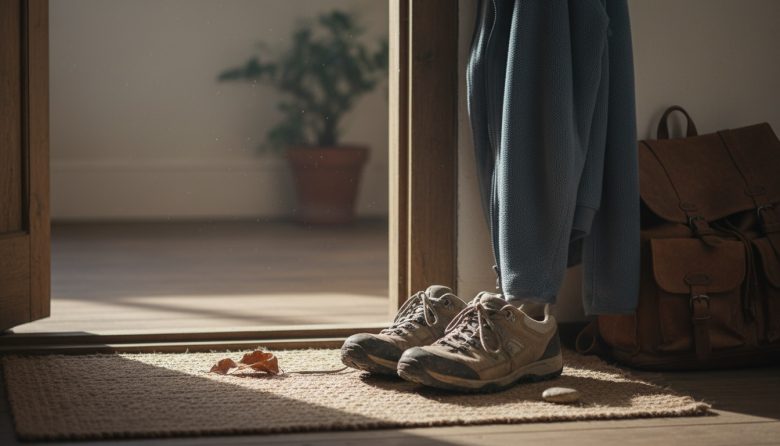
- Prep outfit night before—sneakers by the door kill decision fatigue.
- Set phone reminders for "walk break" at noon and 6 p.m.
- Buddy up via text chain—mutual check-ins spark accountability.
- Invest in all-weather shoes; puddle-jumping stays fun.
- Gamify with apps—badges for streaks beat boredom.
- Link to hydration: Sip while strolling, like in a Hydration Tracking Plan for All-Day Wellness.
- Desk alarm: Stand and pace every hour, no excuses.
For Busy Days: Your 2-Minute Walk Fallback
Deadlines piling up? Kids screaming? No shame—drop to a 2-minute fallback. Step outside, pace your hallway, or circle the block once. It's motion without commitment.
I use this during conference calls: Hands-free pacing around the apartment racks up 200 steps. No gear, no planning. Just move.
Why it works: Primes your brain for more. Often, those two minutes stretch to ten. Make it your urban reset—repeatable, zero pressure.
Pro variation: Elevator down, stairs up in your building. Busy days conquered, one lap at a time.
Track Wins, Skip the Shame Spiral
Apps like Google Fit or Pedometer++ log steps effortlessly on your phone—no extra gadgets for small spaces. I review weekly, not daily, to dodge obsession.
Celebrate streaks: Coffee treat at five days, new playlist at ten. Missed one? Adjust—no spiral. Life's subway delays happen.
Pair with a notebook for mood notes: "Post-walk clarity killed that report." Visual wins build momentum. Consistency trumps perfection every time.
For deeper balance, weave in a Weekend Wellness Reset Plan for Balance to recharge.
Make It Sustainable: Habits That Last Past Week One
Sustainability means cues, not willpower. Keep sneakers under your desk—visual nudge during slumps. Tie walks to anchors like post-coffee or pre-dinner.
Community amps it: Neighborhood group chats for Friday loops. Rotate spots—parks, waterfronts—to fight monotony in concrete jungles.
Revisit that 2-minute fallback weekly. Scale up gradually; by month two, 30 minutes feels automatic. Environment over motivation wins long-term.
Your routine: Micro-goal + commute hack + app track + fallback. Rinse, repeat. You've got this—city steps await.
Frequently Asked Questions
Can I hit walking goals in a tiny apartment?
Absolutely—indoor laps shine here. Pace your living room in 1-minute bursts, four times daily. Add balcony strides if you've got one; that's 1,000 steps without leaving home. Stack with jumping jacks for variety in tight quarters.
What if rain kills my outdoor vibe?
Urban indoors to the rescue: Mall loops during shopping, or treadmill apps on YouTube for guided sessions. I hit grocery store aisles pre-rush hour—steps plus deals. Backup: Stairwell repeats in your building, rain be damned.
How do I fit walks with a brutal commute?
Layer it in smartly—get off transit early for a 10-minute approach to work. Evenings, walk from station to door instead of Uber. Total add: 20 minutes daily, zero schedule overhaul. Podcasts make it fly by.
Is 5,000 steps enough to start?
Yes—focus on consistency over volume. That's about 30-40 minutes walking, perfect for beginners dodging city hustle. Build to 7,000 gradually; health gains kick in quick. Track mood lifts as your real metric.
What's my go-to when motivation tanks?
Strict 2-minute door loop: Step out, breathe, return—then decide more. It breaks inertia without overwhelm. I pair with upbeat tunes; nine times out of ten, I keep going. Tiny win restarts the engine.