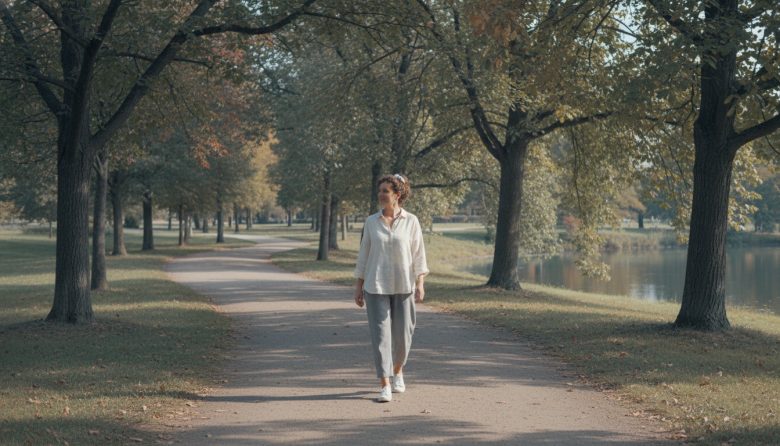
Picture this: You've just dragged yourself home after a gridlocked commute, desk muscles screaming from hours hunched over spreadsheets. That familiar slump hits—too wiped for the gym, too wired for bed. But what if slipping on sneakers for a 20-minute neighborhood loop flipped the script? It did for me last spring, turning post-work fog into clear-headed energy. This beginner walking routine builds daily fitness without overwhelming your city schedule. We'll start simple, layer in progression, and keep it real for anyone resetting amid urban hustle.
Low-effort strides compound fast. Expect better sleep, sharper focus, and that quiet win of moving more. No marathons required—just consistent steps that fit your life. Ready to lace up?
Why Walking Slots Perfectly into City Chaos
City life doesn't pause for workouts. Elevators, subways, and endless meetings steal your movement. Walking sidesteps that—no gym fees, no gear hauls, just door-to-street freedom.
Science backs the basics: 30 minutes daily cuts stress hormones and boosts endorphins. For beginners, it's mental reset gold, especially after screen-heavy days. I remember pacing blocks post-layoff; those loops cleared my head better than coffee.
Urban perks shine here. Sidewalks double as therapy trails. Park a few blocks away, or circle the block during lunch. It stacks with small tweaks, like the 10 ways to move more without extra effort that sneak activity into commutes.
Fits small apartments too—no space needed. Fresh air combats concrete fatigue. Short bursts build stamina without burnout.
Kickoff Your Strides: Week 1 Baseline
Mindset first: This isn't punishment; it's your daily reset. Treat walks like brushing teeth—non-negotiable but quick. Aim for comfort; chatty pace where you can talk without gasping.
Warm-up simple: Shoulder rolls, arm swings, five deep breaths. Loosen hips with gentle marches in place. Eases you in, prevents newbie tweaks.
Integrate daily: Post-commute unwind, pre-dinner loop, or desk-break strolls. Track mood pre- and post-walk; the lift motivates. Week 1 sets the habit groove—easy wins build confidence.
Pro tip: Pair with podcasts for distraction-free flow. My go-to? True crime tales that make miles fly. You're not just walking; you're leveling up.
Your 4-Week Walking Progression
| Week | Mon/Wed/Fri (Easy Pace) | Tue/Thu (Brisk) | Sat (Longer) | Sun (Rest/Active Recovery) | Weekly Total |
|---|---|---|---|---|---|
| 1 | 10 minutes (conversational pace, flat routes) | 15 minutes (slightly faster, still comfy) | 20 minutes (explore new blocks) | Rest or 5-min gentle stroll | ~110 minutes |
| 2 | 15 minutes (add gentle hills if possible) | 20 minutes (aim for purposeful stride) | 25 minutes (loop your favorite path) | 10-min easy recovery walk | ~170 minutes |
| 3 | 20 minutes (focus on posture) | 25 minutes (brisk enough to warm up) | 30 minutes (include one stop for stretches) | 15-min light pace | ~230 minutes |
| 4 | 25 minutes (steady easy flow) | 30 minutes (brisk challenge) | 35-40 minutes (your longest yet) | 20-min active recovery | ~300 minutes |
This table keeps progression visual and doable. Easy pace: Leisurely, like window-shopping. Brisk: Quickened steps, light sweat. Adjust for your baseline—listen to your body.
Sat's longer walk builds endurance; Sun recovers. Totals climb gradually, fitting busy weeks. Print it, phone screenshot—whatever sticks.
Quick Tips to Nail Every Walk
- Playlist power: Queue upbeat tracks matching your pace—keeps legs moving.
- Posture hack: Chin up, shoulders relaxed, arms swing naturally—no slouch shuffle.
- Hydration on-the-go: Sip from a reusable bottle pre-walk; curbs excuses.
- Shoe check: Cushioned sneakers beat blisters; rotate pairs for longevity.
- Breathe easy: In through nose, out mouth—rhythm calms city noise.
- Route scout: Apps map safe, scenic loops near home or work.
- Mood log: Note energy pre/post; patterns fuel your why.
For Busy Days: The 10-Min Desk-to-Door Reset
Meeting overruns or late trains happen. Shrink to 10 minutes: Step out, circle the block twice. Fast loops torch stress without time suck.
Desk variant: Pace parking lot or stairwell laps. Counts as movement, resets fog. My fallback during crunch weeks? Elevator skip for floor shuttles.
2-minute CTA: Doorway marches or porch paces. Tiny habit, big ripple. Builds streak unbreakable. When evenings drag with screens, weave in easy tips to cut evening screen time to reclaim steps.
Make It Sustainable: Habits That Stick
Repetition trumps intensity. Bag walks post-coffee run or dog walk—anchor to routines. Apps like Strava log streaks visually; no overwhelm.
Tweak for seasons: Winter? Covered mall laps. Rain? Treadmill at home gyms. Commute hack: Park farther, add 1,000 steps free.
Celebrate small: Weekly treat after totals hit. Buddy up for accountability—post-dinner strolls with neighbors. Ties into 7 habits for lighter, healthier living daily, making motion default.
Low-effort keys: Prep sneakers by door. Sunday plan routes. Miss a day? Jump back—no guilt spirals.
Track Your Wins Without the Overwhelm
Skip scales; chase steps and feels. Phone pedometer tallies effortless—aim 7,000 daily baseline. Mood journal: "Energized? Foggy?" Reveals patterns.
Urban adapts: Subway transfers count. Late dinners? Post-meal block laps aid digestion. Partner walks turn solo grinds social.
Monthly review: Compare week 1 vs. 4 totals. Non-scale victories shine—better sleep, looser jeans. Share wins in group chats for cheer.
Tools simple: Notes app checklists. Visual charts motivate. Progress feels real, fuels next month.
Frequently Asked Questions
Can I walk if I live in a tiny apartment?
Absolutely—indoor laps work wonders. Pace your hallway or living room in circles. Use stairs for elevation; 10 flights mimic outdoor hills. Small spaces demand creativity, not square footage.
What if rainy commutes kill my routine?
Swap for covered paths like underpasses or mall perimeters. Home treadmills or YouTube walk-alongs fill gaps. Poncho up for light drizzles—fresh air beats zero motion. Build indoor backups now.
How do I track without fancy gadgets?
Phone's built-in pedometer or notes app suffice. Guess distances: Block loops equal 0.5 miles usually. Tally post-walk: "3 blocks, felt great." Low-tech keeps it frictionless.
Is brisk pace necessary for beginners?
No—start conversational, where you can chat easily. Gradually quicken as comfort grows. Feel the difference: Heart uptick without huffing. Your body dictates speed.
What's the 2-minute fallback on zero-time days?
Porch paces or room laps: March in place, swing arms. Counts as intent, preserves streak. Elevator-free stairs if outside's no-go. Tiny reset snowballs into full walks tomorrow.