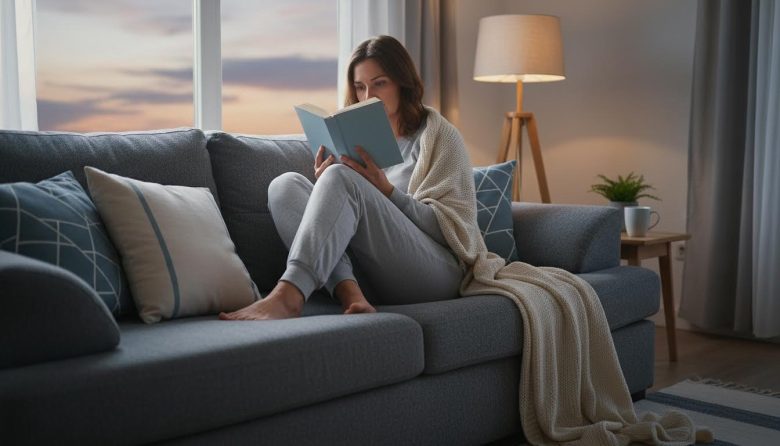
Picture this: You've just dragged yourself home after a packed commute, kicked off your shoes in your tiny apartment, and heated up a late dinner. The couch calls, and before you know it, your phone's in hand—endless scrolls through feeds, quick checks on group chats, maybe a episode or two. Two hours vanish, and you're wired, staring at the ceiling at midnight.
Here's the kicker: that blue light from screens messes with your melatonin, the sleep hormone. Studies show just 30 minutes less evening screen time can improve sleep quality by up to 20% and boost next-day mood. I know because I was there—last year, I cut my post-dinner Netflix from 90 minutes to 30, and my foggy mornings turned into sharp, energized starts.
My secret? Low-effort swaps that fit urban life—no big life overhauls, just practical tweaks for better rest and a clearer head. Whether you're crashing after desk work or juggling late shifts, these steps make evenings feel restorative again. Stick around for quick tips, busy-day hacks, and a simple plan to make it last.
Urban Evenings: Why Your Post-Dinner Scroll Is Draining You
After a day glued to screens at your desk or on the subway, your brain craves a reset. But that fridge-check scroll or bed-prep doomscroll keeps the mental chatter going. Blue light tricks your body into "day mode," delaying sleep by an hour or more for many folks.
I remember nights when I'd binge shows till 11 p.m., only to wake up groggy despite eight hours in bed. Turns out, it's not just quantity—quality sleep suffers from disrupted circadian rhythms. In a small apartment, where your bed doubles as your couch, it's even harder to escape the glow.
Short stats back it up: 70% of adults report poorer sleep from evening screens. The drain hits mood too—more anxiety, less focus tomorrow. Ditching the scroll isn't about deprivation; it's reclaiming your wind-down for deeper rest.
Think of it as trading endless noise for calm signals your body understands. Your evenings can shift from exhausting to energizing with a few modern tweaks.
Spot Your Evening Screen Triggers Before They Hit
Triggers hide in plain sight during urban routines—like waiting for takeout or unwinding post-commute. Start by checking your phone's screen time log; it reveals patterns without guesswork. Note habits: Do you grab it while brushing teeth or stirring dinner?
In my case, it was the "just one more meme" loop during kettle boils. Common ones? Fridge-scrolls, bed-pre-heat checks, or group chat pings after 8 p.m. Jot them in a notes app for a day—awareness alone cuts mindless use.
Here's a quick checklist to spot yours:
- Post-dinner couch slump
- Waiting for water to boil or microwave
- Pre-bed "quick email" checks
- Group chat FOMO spikes
- Background TV while eating
- Doomscrolling to "relax"
Urban life amps these up—small spaces mean screens are always within reach. Track for two evenings, and you'll see the culprits clearly. This sets you up for targeted swaps, not vague willpower fights.
Quick Tips to Trim 30 Minutes Tonight
Ready to shave off screen time without feeling deprived? These five urban-friendly moves work in small apartments or after long days. Pick two to start—they add up fast.
- Charge your phone in the kitchen overnight—out of bedroom reach, breaking bed-scroll habits.
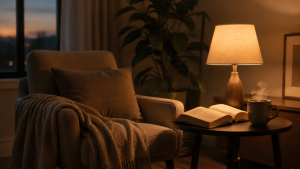
- Swap 10 minutes of feed-dipping for a physical book or magazine by the window; soft light from street lamps works wonders.
- Dim room lights at 8 p.m. and sip herbal tea—triggers natural wind-down, no apps needed.
- Stretch by the window for five minutes: neck rolls, shoulder drops—eases desk tension screen-free.
- Journal three gratitudes on paper; takes two minutes, shifts mind from scrolls to calm.
- Listen to an audio podcast during a short indoor walk or tidy-up—no visuals required.
- Phone face-down during dinner; chat with roommates or savor bites mindfully.
These aren't rules—they're flexible resets. I started with tea and stretches; within a week, my evenings felt lighter. Try them tonight for that instant mood lift.
For Busy Days: The Simplest 10-Minute Reset
Late shift? Rushed dinner? No problem—these ultra-low-effort tweaks fit chaotic evenings. Aim for a 10-minute screen break total, stacked into your flow.
First, phone face-down at the table during your meal—no peeks, just eat and breathe. Follow with two minutes of sink-side breathing: inhale four counts, exhale six, eyes on the faucet drip.
Set a lights-off cue via a cheap timer plug—bedside lamp flicks at 9:30 p.m., signaling no more glow. Your two-minute fallback? Eyes closed anywhere, hands off devices, deep breaths only. It resets without effort.
I use this on overtime nights—phone in drawer, quick breaths, lights dim. Sleep hits faster, even in a studio setup. Perfect for when life's too packed for fancy routines.
Make It Sustainable Without the Overhaul
Sustainability beats perfection—link new habits to ones you already own, like brushing teeth equals no phone scroll. Weekly check-ins via a Sunday note: "How'd my mood feel?" keeps it light.
Forgive slip-ups; one late night doesn't derail you. For small apartments or late dinners, create a "phone basket" by the door—dump it there post-commute. Pair screen cuts with movement, like my Daily Walking Routine to Build Healthy Habits, for double wins.
Urban tweak: Use commute podcasts to preload calm, easing home scrolls. Track one tip for three nights—note sleep quality. As in How to Stay Consistent with Walking Goals, small stacks build momentum without burnout.
Start tonight with the phone basket; it'll feel natural soon. Your evenings become repeatable resets, not chores.
Lock It In: 4 Steps to Your Screen-Free Evenings
Building lasts with a clear progression—these four steps turn tips into routine. Follow them over a week for evenings that recharge.
- Set a hard stop time tied to your life—like dinner end or kettle whistle. Announce it aloud: "Screens off at 9." Makes it real.
- Prep swaps ahead: Stock tea, books, or stretch spot Sunday night. Low barrier means follow-through.
- Track wins weekly—jot mood, sleep hours in notes. Celebrate small: "Two nights nailed!" Adjust as needed.
- Tweak for your setup: Late shifts? Shift stop to 10 p.m. Small space? Window sills for journals. Like prepping a Morning Green Smoothie Routine for Nourishment, make it yours.
This path feels approachable—I went from scroll addict to rested in a month. Your turn: Pick step one tonight.
FAQ
What if my job means late-night emails?
Set a desk boundary: Emails stop one hour post-shift, use auto-replies like "Responding tomorrow." Buffer 10 minutes for true urgents only—forward the rest. I've done this during crunch weeks; sleep stayed solid, work sharper next day. Stack with a quick walk to clear your head.
Ideas for screen cuts in a tiny apartment?
Designate multi-use zones: Couch for books, bed for sleep only. A phone basket by the door creates distance in tight spaces. Lean on window views for stretches—street lights provide ambiance. These tweaks worked magic in my old studio; calm returned without rearranging everything.
How do I handle FOMO from group chats?
Schedule checks: Twice post-dinner, then mute after 8 p.m. Reply in batches to avoid ping pulls. Share your "screen curfew" with friends—they'll respect it. My group adapted fast; chats felt less urgent, evenings freer.
What's a good 2-minute fallback on tough nights?
Eyes shut, feet flat, deep breaths—no device touch. Inhale calm, exhale tension; repeat till steady. Do it sink-side or couch-bound. It's my go-to; instantly dials down the urge, primes better sleep.
Can I still watch one show a week?
Absolutely—cap at 30 minutes, then no-screen wind-down like tea or journal. End by 9 p.m. for recovery. I treat it as a reward; balance keeps it fun, not a trap.