The Dim Lights Evening Routine: More Than Just Sleep Prep
When I first started dimming the lights two hours before bed, I made a classic mistake. I bought a single red bulb for my bedside lamp, flipped it on, and then sat in the dark living room trying to read by the glow of my phone. That night, I still tossed and turned. The dim lights routine felt like a chore, not a wind-down.
It took me months of trial and error to realize that a dim lights evening routine is not about one switch at bedtime. It is about layering warm, low light across your entire evening - living room, kitchen, bathroom, even hallway - so your body and mind can gradually shift into relaxation mode. The goal is not just better sleep, though that certainly follows. The real payoff is a calmer, more intentional evening where you can read, connect with family, or simply sit without the buzz of bright white light.
This guide is built from real-world experience: what worked, what failed, and what I learned from the science of circadian lighting. If you already know that melatonin is suppressed by blue light, you can skip ahead to the practical setup. But if you are still struggling to make dim lights a habit, keep reading. The answer is not more willpower - it is a smarter environment.
Why Dim Lights Matter (And What Most People Get Wrong)
Most articles about dimming lights focus on one thing: melatonin suppression. They cite studies showing that bright light, especially blue wavelengths, signals your brain to stay alert. That is true. According to the National Institute of General Medical Sciences, your circadian rhythm is heavily influenced by light exposure. But the thing nobody tells you is that dimming lights too early or too aggressively can backfire.
If you dim the lights at 6 PM but your partner is still cooking dinner or the kids are doing homework, you end up squinting and reaching for task lights that are even brighter than your normal overheads. The result? You get more blue light exposure at the wrong time. I learned this the hard way when I tried to read a recipe by a single candle. The next day I bought a dimmable LED strip for under the kitchen cabinets. That was the turning point.
Another misconception: dim lights are only for the bedroom. In reality, the transition matters more than the final state. Your body needs a gradual decline in light intensity and color temperature over the course of the evening. Think of it like a sunset, not a light switch.
Key insight: The dim lights evening routine is not about total darkness. It is about reducing the ratio of blue/white light to warm/amber light so your brain can start producing melatonin naturally. You still need enough light to function - just at the right color and brightness.
Color Temperature: 2700K vs. 1800K and When to Use Each
If you have ever walked into a hardware store and seen light bulbs labeled 2700K or 5000K, you might have wondered what those numbers mean. Kelvin (K) measures color temperature: lower numbers are warmer (more amber), higher numbers are cooler (more blue). Daylight is around 5000-6500K. Candlelight is about 1800K.
For a dim lights evening routine, you want to stay below 2700K. But even within that range, there is a big difference. Here is a simple breakdown:
- 2700K (Soft White): This is the standard warm white found in most homes. It is fine for early evening (7-8 PM) but still contains enough blue light to suppress melatonin if you are sensitive. Think of it as the "twilight" zone - still a bit bright.
- 2200K-2400K (Warm Amber): Closer to candlelight. Ideal for the last hour before bed. Many "sunset" smart bulbs can shift to this range. I use this in my living room after 8 PM.
- 1800K (Flame-like): Pure amber, almost orange. Best for reading by the bed or the bathroom nightlight. At this color, blue light is virtually zero. But it is also very dim - not great for cooking or detailed tasks.
The trade-off is real: warmer light is harder to see by. If you are trying to follow a recipe or read a book with small print, 1800K might be too dim. That is why you need to layer your lighting (more on that below).
Most people don't realize that even a "warm" 2700K bulb can still emit enough blue light to delay sleep if you sit directly under it. The solution is not to go to 1800K everywhere, but to use multiple light sources at different intensities and angles. For example, a floor lamp with a 2200K bulb pointed at the wall creates a soft glow that does not hit your eyes directly.
Practical Implementation: How to Gradually Dim Lights Throughout the Evening
This is where the rubber meets the road. You can read all the science, but if you do not have a plan, you will end up like I did - fumbling with switches at 9 PM. Here is a step-by-step system that I have refined over two years.
1. Set a Smart Bulb Schedule (or Use Dimmer Switches)
The easiest way to make dimming automatic is with smart bulbs. I use Philips Hue, but IKEA Tradfri works too. Create a scene called "Sunset" that gradually reduces brightness and shifts color temperature from 3000K (typical daytime) to 2200K over 90 minutes. Start this at the same time each night - I set mine to 7:30 PM.
If you don't want to buy smart bulbs, install dimmer switches. They cost about $15-30 and work with standard dimmable LED bulbs. The key is to make the dimming process effortless. If you have to think about it, you will skip it.
2. Layer Your Lighting by Zone
Not all rooms need the same dimming schedule. Here is how I handle each zone:
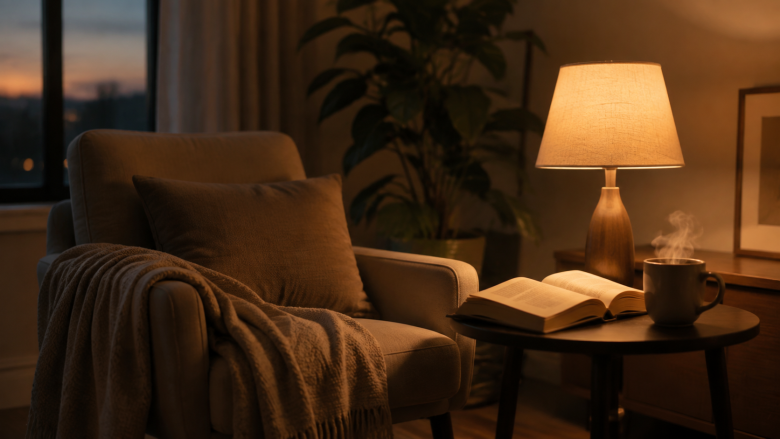
- Living Room: Main overhead light turns off at 7:30 PM. Floor lamps and table lamps with warm bulbs (2200K) stay on at 40% brightness. This creates a cozy, conversational atmosphere.
- Kitchen: This is the hardest room. I installed a dimmable under-cabinet LED strip set to 2700K and 30% brightness. The overhead light stays off after dinner. If I need to cook, I use a focused task light on the counter - but with a warm bulb.
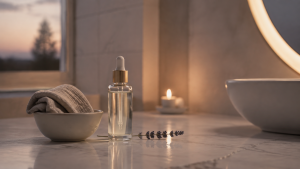
- Bathroom: Switch to a dimmable vanity light or use a nightlight with 1800K. I keep a small candle lamp in the bathroom for late-night visits.
- Bedroom: Only bedside lamps at 1800K. No overhead lights after 9 PM. I also use blackout curtains, but that is a separate topic.
3. Use Timers and Routines
I created a "wind-down" routine on my phone that triggers at 8 PM: it turns on a specific playlist, dims the lights in the living room to 20%, and sends a notification to start my Gentle Evening Wind-Down Routine. This couples the visual cue of dimming with an audio cue, making the transition smoother.
One thing that can go wrong: if you have guests or a late dinner, the automated schedule might feel rigid. I solved this by adding a voice command: "Alexa, postpone sunset by 30 minutes." Flexibility is key.
Non-Sleep Benefits: Relaxation, Focus, and Connection
I initially started dimming lights for sleep, but I stayed for the unsuspected benefits. When the lights are low and warm, something shifts in the room's energy. Conversations become quieter and more intimate. Reading feels more immersive. Even household chores like folding laundry feel less like a chore and more like a mindful ritual.
I have noticed that my partner and I argue less when the lights are dim. There is a physiological reason: bright light can increase stress hormones. According to a 2018 study in the Journal of Clinical Endocrinology & Metabolism, exposure to bright light in the evening can elevate cortisol levels. Dim lights create a calmer baseline for emotional regulation.
For focused tasks like studying or journaling, dim warm light can actually improve concentration - provided it is not too dim. I use a 2200K desk lamp angled away from my eyes. The contrast between the warm light and the dark room helps me focus without eye strain. If you want to incorporate journaling, try Gratitude Journaling Routine Before Bed in a dimly lit corner - it works wonders.
Challenges and Solutions: When You Need Bright Light at Night
Not everyone can switch to a dim lifestyle at 7 PM. Maybe you work late, have kids who need homework help, or simply enjoy cooking complex meals. The good news is you do not have to sit in the dark. You just need to choose your bright light sources carefully.
Problem: I need bright light for cooking
Solution: Use a focused task light over the stove or counter, and keep the rest of the kitchen dim. I use a dimmable LED strip under the cabinets set to 2700K at 50% brightness. For detailed prep, I turn on a small pendant light with a warm bulb directly above the cutting board. The overhead light stays off. This concentrates the light where you need it without flooding the room with blue light.
Problem: I have to study or work late
Solution: Use a blue-blocking desk lamp or a monitor with a built-in warm mode. I use a BenQ ScreenBar with adjustable color temperature. At night, I set it to 2700K and dim it to 30%. I also wear blue-blocking glasses if I'm editing photos. But honestly, the best solution is to shift your schedule so that heavy work is done earlier. If you cannot, at least avoid overhead lights.
Problem: My partner wants bright lights while I want dim
Solution: Zone lighting. Use a floor lamp with a shade on your side of the room, and let your partner use a brighter reading lamp on their side. I have a small 1800K lamp on my nightstand, while my partner uses a 2700K lamp on hers. The difference is stark but manageable. Communication is key - we agreed on a "no overhead lights after 8:30 PM" rule.
Integrating Dim Lights with Other Evening Routines
A dim lights evening routine works best when paired with other wind-down activities. The light sets the stage, but the activities fill the time. For example, after dimming the living room, I often do a short Evening Stretch Routine for Relaxed Muscles. The warm light makes the stretching feel more intentional and less like a workout.
Similarly, if you are building a relaxing evening ritual from scratch, start with the lighting. I recommend reading How to Build a Relaxing Evening Ritual for a step-by-step framework. The lighting is the foundation - without it, any ritual feels rushed.
Common Mistakes to Avoid
I have made every mistake in the book. Here are the ones I see most often in others:
- Dimming too early without adjusting tasks: If you dim at 6 PM but still need to cook, you will end up turning on the bright overheads and defeating the purpose. Schedule your dimming to align with the end of dinner.
- Using only one light source: A single dim lamp in a dark room creates harsh shadows. Use multiple low-level lights (lamps, fairy lights, candles) to create a soft ambient glow.
- Ignoring the bathroom: The bathroom is often the brightest room in the house. If you use bright vanity lights to brush your teeth, you reset your melatonin. Switch to a dimmable nightlight or a warm candle.
- Forgetting to adjust the next morning: A dim lights routine is part of a larger circadian rhythm. If you wake up to bright sun, that is fine. But if you wake up in a dark room, you will feel groggy. Make sure your morning light is bright and cool (5000K+) to help wake up.
Equipment Recommendations (What Actually Works)
You do not need to spend a fortune. Here is what I use and recommend based on real testing:
- Smart bulbs: Philips Hue White Ambiance (color temperature adjustable) or IKEA Tradfri. Both are reliable. The Hue app allows custom scenes and schedules.
- Dimmer switches: Lutron Diva is my favorite. It works with most dimmable LEDs and has a sleek design.
- Warm light bulbs for non-smart lamps: GE Relax 2700K or Feit Electric Amber 1800K. These are bulbs you can buy at any hardware store.
- Fairy lights: A string of warm white fairy lights (1800K) draped over a bookshelf adds a cozy atmosphere without harshness.
- Candles: Real beeswax candles have a natural amber glow and also purify the air. But never leave them unattended.
One thing I learned: not all dimmable bulbs dim well. Cheap bulbs flicker at low brightness. Invest in quality bulbs from reputable brands. Your eyes will thank you.
Frequently Asked Questions
How long before bed should I dim the lights?
Most research suggests 1-2 hours before bedtime. I start the gradual dimming at 7:30 PM for a 10 PM bedtime. The exact timing depends on your schedule - the key is consistency, not perfection.
Can I use colored lights instead of dimming?
Red or amber bulbs are great for the last hour before bed, but they are not a substitute for dimming. If you use a bright red light, it can still suppress melatonin because of the intensity. Always dim the light as well as shift the color.
What if I live in a place with no natural light control?
If you cannot control outside light (e.g., streetlights), use blackout curtains or a sleep mask. For indoor lighting, follow the same principles. The dim lights routine is about controlling what you can.
Is it okay to use a dim light while watching TV?
Yes, but keep the TV screen brightness low and use a bias light behind the TV (a warm LED strip). This reduces eye strain and helps maintain the dim atmosphere. Avoid watching bright, stimulating content close to bed.
My Personal Blueprint for a Dim Lights Evening
Here is what a typical evening looks like for me. Use this as a starting point and adjust to your own life.
- 7:00 PM: Finish dinner. Turn off kitchen overhead. Turn on under-cabinet lights at 2700K, 30%.
- 7:30 PM: Smart bulbs in living room begin dimming from 3000K to 2200K over 60 minutes. Floor lamps at 40%.
- 8:00 PM: Start Gentle Evening Wind-Down Routine. Light stretching or journaling in the living room.
- 9:00 PM: Move to bedroom. Bedside lamps at 1800K, 20%. Read a physical book (no screens).
- 9:30 PM: Lights out. Total darkness.
This routine is not set in stone. If I have guests, I adjust. But having a default schedule makes it easy to stick to the habit.
Final Thoughts: Dim Lights Are a Tool, Not a Cure
A dim lights evening routine will not fix chronic insomnia or solve all your sleep problems. But it is one of the most effective, low-cost changes you can make to improve your evenings. The benefits go beyond sleep - you gain a more peaceful home, deeper connections with loved ones, and a sense of intentionality that is rare in our always-on world.
Start small. Pick one room - the living room, for example - and dim the lights there for a week. See how it feels. Then add the kitchen. Then the bathroom. Layer by layer, you will build a dim lights evening routine that works for your life, not against it.
And if you hit a snag, remember my story: I started with a single red bulb and ended up with a whole-home lighting system. The journey is worth it.